Stunning Handbags made from Upcycled Wool and Linens
How Living in Wallace Idaho Inspires My Art (A connection to my French Canadian Ancestry, a region of North America brimming with fantastic history including: a fantastic story about a guy and his donkey, courageous women, miners, trappers, traders, indiginous tribes and an entire city that is now listed on the National Register of Historic Places)
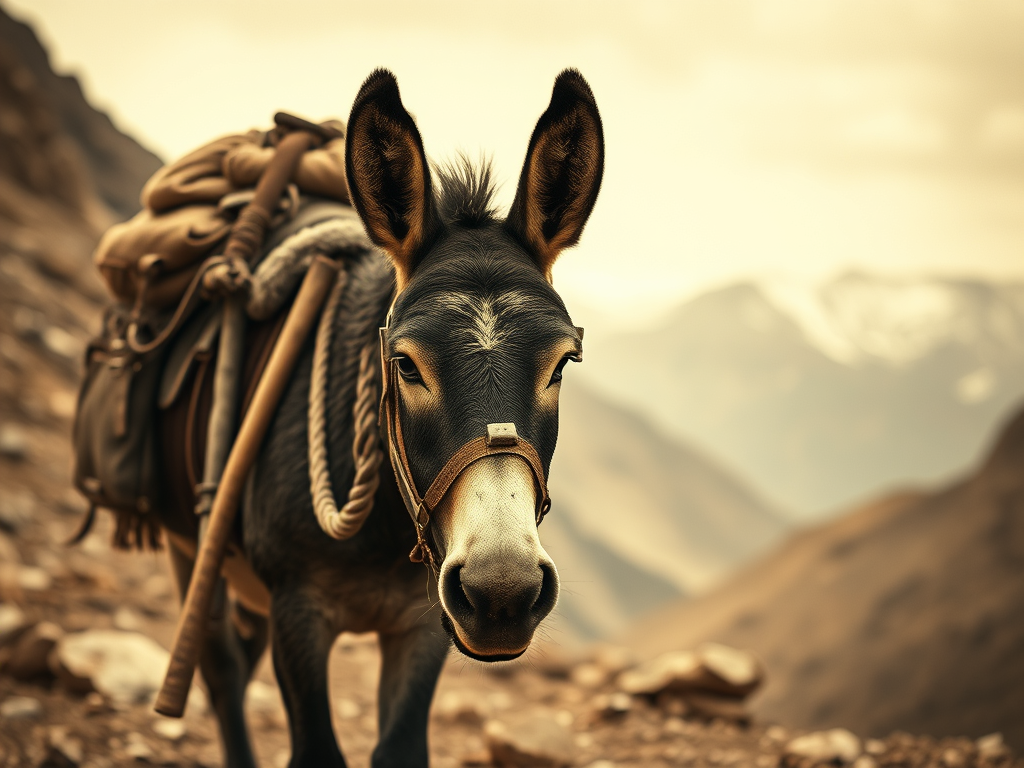
Donkeys and horses were a necessity for carrying gear and supplies into the mountains.
A trapper would have the following items in his pack and on his person:
In 2022, my husband and I bought a 1912 one-bedroom bungalow on the south hillside of Wallace, Idaho. It serves as a winter getaway and is a refuge from the anxiety of the big city.
This is where I have my art and sewing studio. There is no TV; we heat mostly with a wood stove. The mountains surround us, and the people of this community have become cherished friends and neighbors.
There is always a festival to get ready for in Wallace. There is always a new trail in the mountains to hike. There is always a fun bar or restaurant to visit and relax. There is always a social justice cause in the community to support. I can enjoy a wonderful front porch with a view of the mountains. It is where I am free to dream away the days.
Donkeys and horses were a necessity for carrying gear and supplies into the mountains. A trapper would have the following items in his pack and on his person: Key items a fur trapper would carry: Firearms: A reliable rifle, usually muzzle-loaded, with necessary supplies like powder and lead balls. Knives: A large, sturdy hunting knife for skinning animals and other tasks. Tomahawk: A small axe used for chopping wood and as a tool for setting traps. Traps: Multiple animal traps, usually made of steel, to catch fur-bearing animals like beavers. Powder horn: A container made from buffalo horn to hold gunpowder. Bullet pouch: A pouch to carry lead balls for the rifle. Flint and steel: Used to start fires. Possibles bag: A small leather pouch to carry essential items like sewing needles, thread, tinder, and small tools.
Typical clothing of a fur trapper: Buckskin garments: A leather coat, pants, and vest made from tanned deer or elk hide (buckskin), often with fringe detailing. Moccasins: Soft leather boots made from animal hide, usually buffalo or deer, fitted to the foot. Wool shirt: A thick flannel shirt for warmth in colder climates. Fur hat: A hat made from fur of trapped animals, with ear flaps for cold weather. Belt: A leather belt to hold the knife and other small tools.
Important points to remember: Adapting to the environment: Fur trappers would often modify their clothing and gear based on the specific climate and terrain they were working in. Trading with Native Americans: Trappers often relied on Native American tribes for supplies, food, and information about the best trapping areas, sometimes bartering their goods for furs. Rendezvous system: In the American West, fur trappers would gather at annual rendezvous points to trade their furs for supplies and socialize with other trappers.
Marriage and Family Therapy for Couples & Individuals, Registered Circle of Security Parent Educator, Health/Wellness Consulting/Coaching for individuals and groups. Specializing in relationship distress, medical crisis survivorship, wellness, and stress management. Background in Olympic level sports medicine, athletic training, professional cycling. Masters Degree with a focus on Marriage and Family Therapy. Teaching Stress Reduction techniques.
View more posts

 The Vintage Lamb Mercantile